
1990
How best to save Soviet Jewry?

View the teaser or read the docustory below:

A Clash Over Absorption
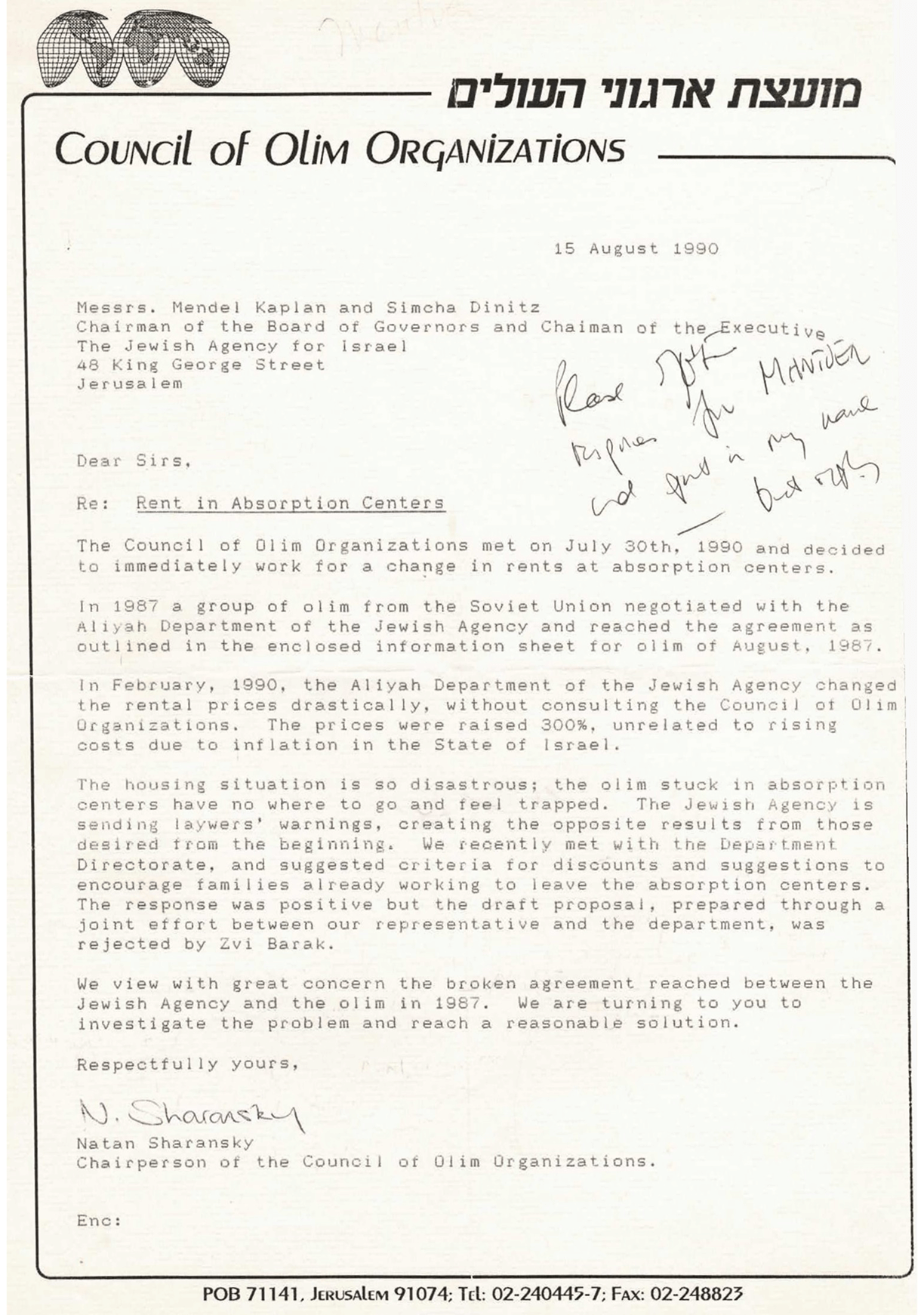
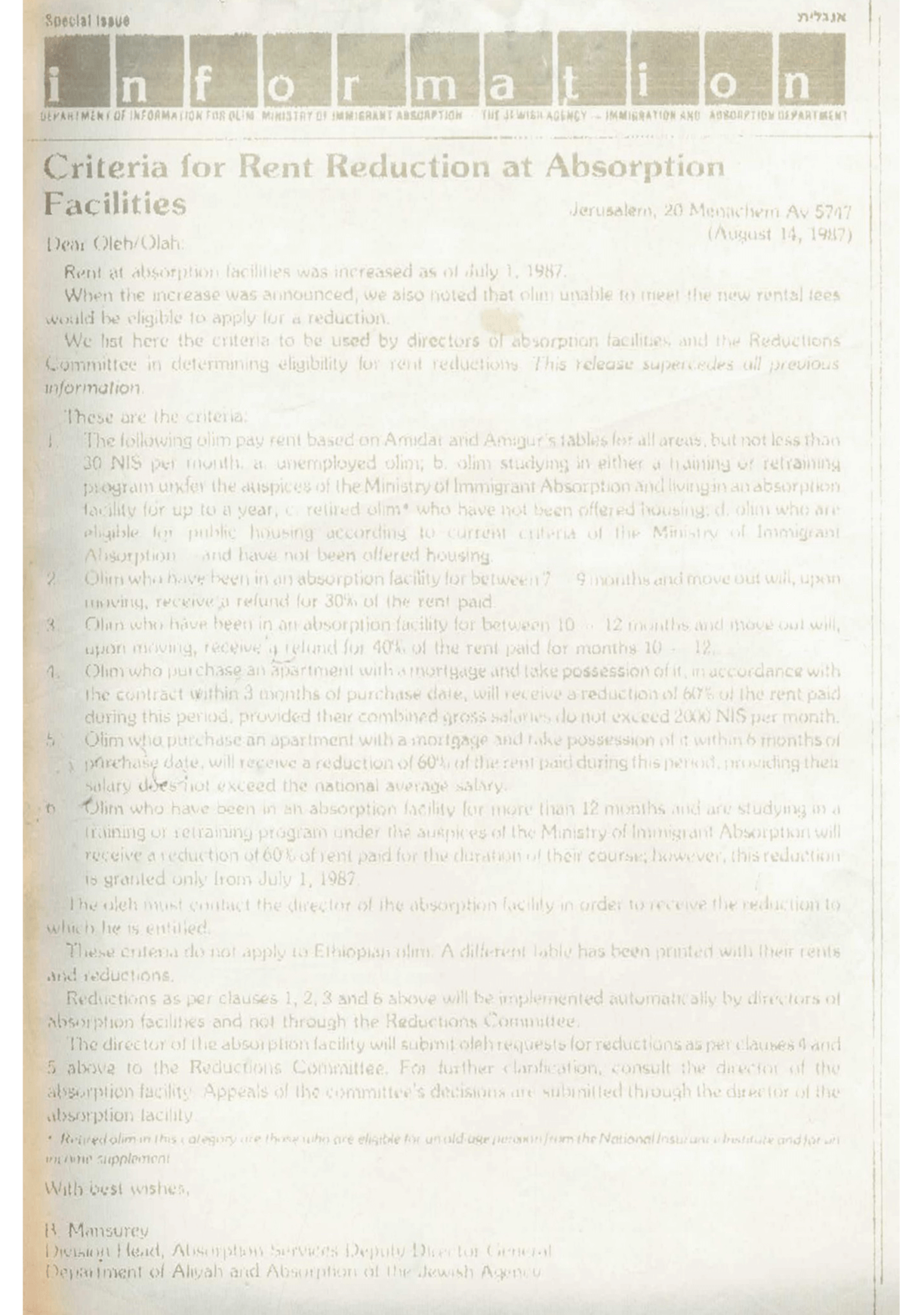
In August 1990, a letter from Natan Sharansky landed on Mendel’s desk—respectful, but not entirely friendly. Sharansky laid out a history of betrayal, accusing the Jewish Agency of breaking its agreement with olim. The flashpoint? A shocking 300% rent hike for absorption centre dwellings which, in his view, crippled struggling immigrants.
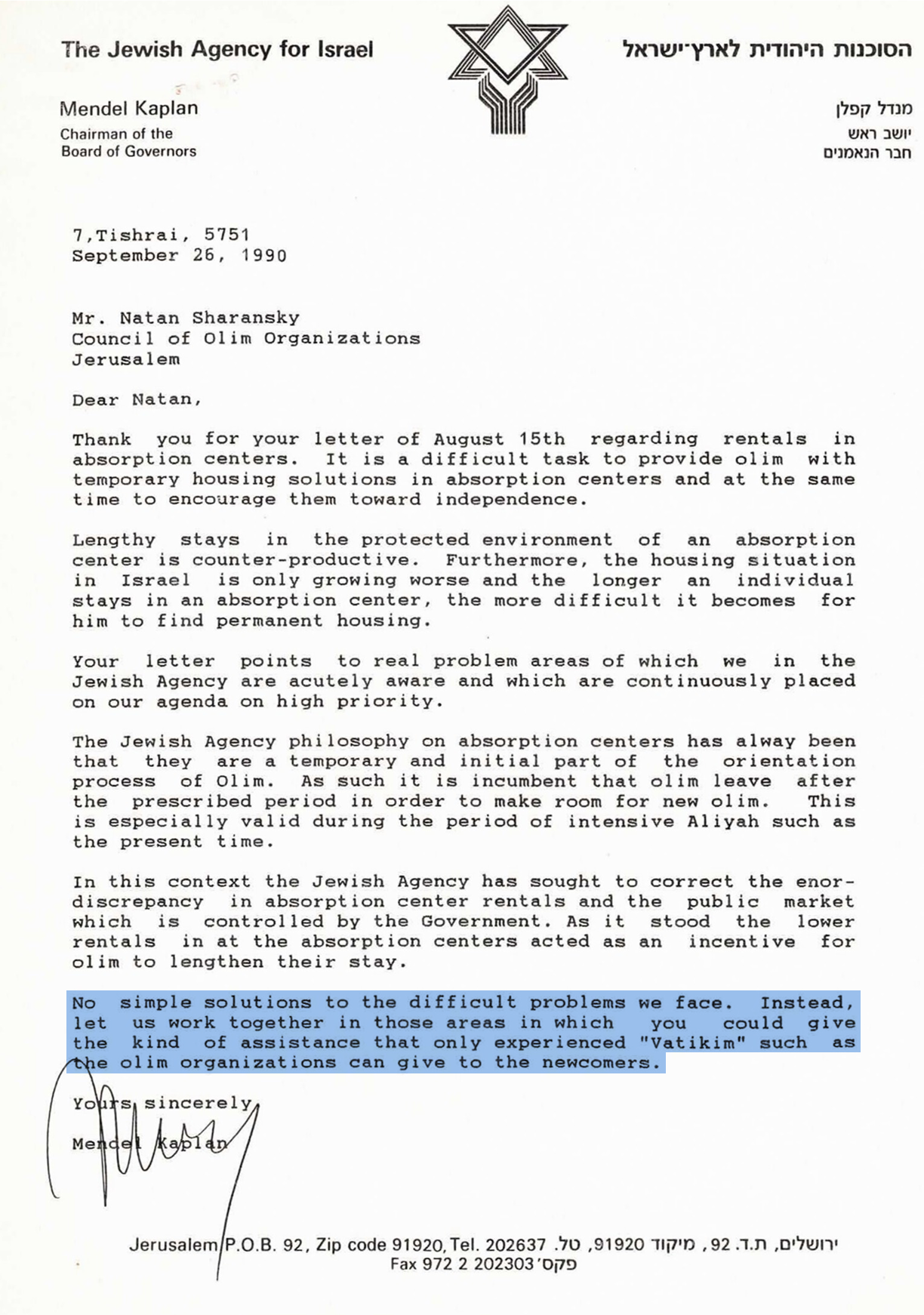
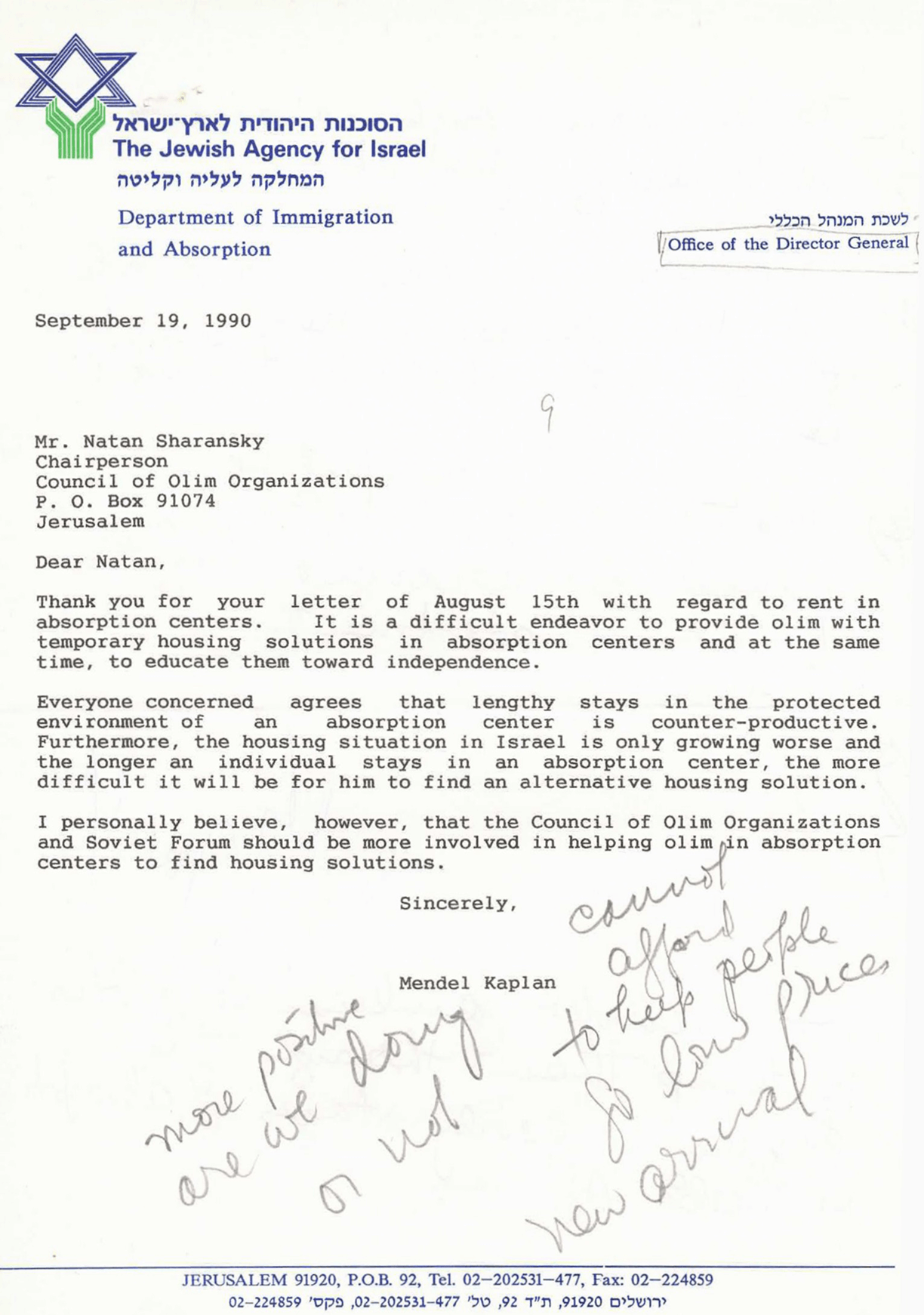
Mendel saw it differently. The rent hike wasn’t sabotage—it was a necessary correction. Absorption centre rents had fallen far below the public market, fostering dependence instead of integration. The goal was independence—and freeing up space for new arrivals in need.
Mendel’s response was firm but measured—until the final line. A subtle but unmistakable message to Sharansky: “let us work together in those areas in which you could give the kind of assistance that only experienced ‘Vatikim’ such as the olim organisations can give”—i.e. Stay in your lane.
A Historic Moment
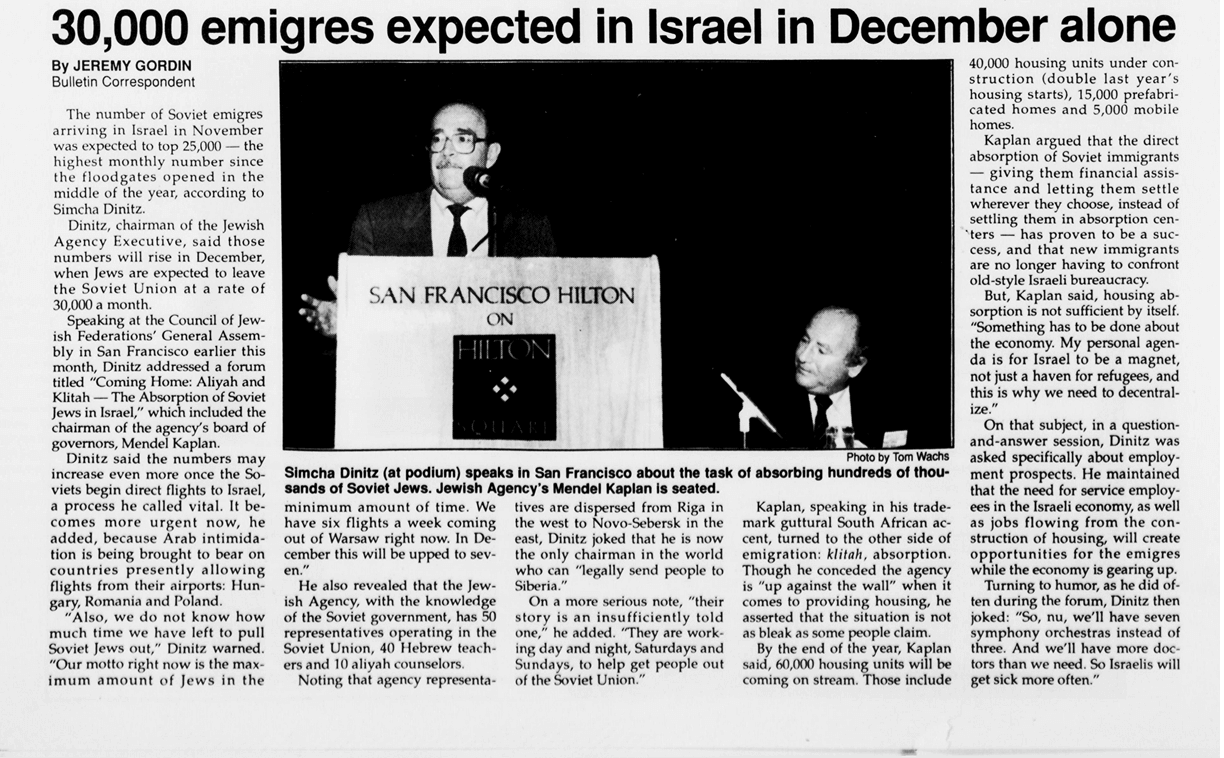
The real issue underlying Mendel and Sharansky’s exchange was the sheer scale of Aliyah. Restrictions on Soviet immigration were lifted in November 1989 and a million Soviet Jews poured into Israel in record time. Old solutions wouldn’t cut it—this was a whole new challenge.
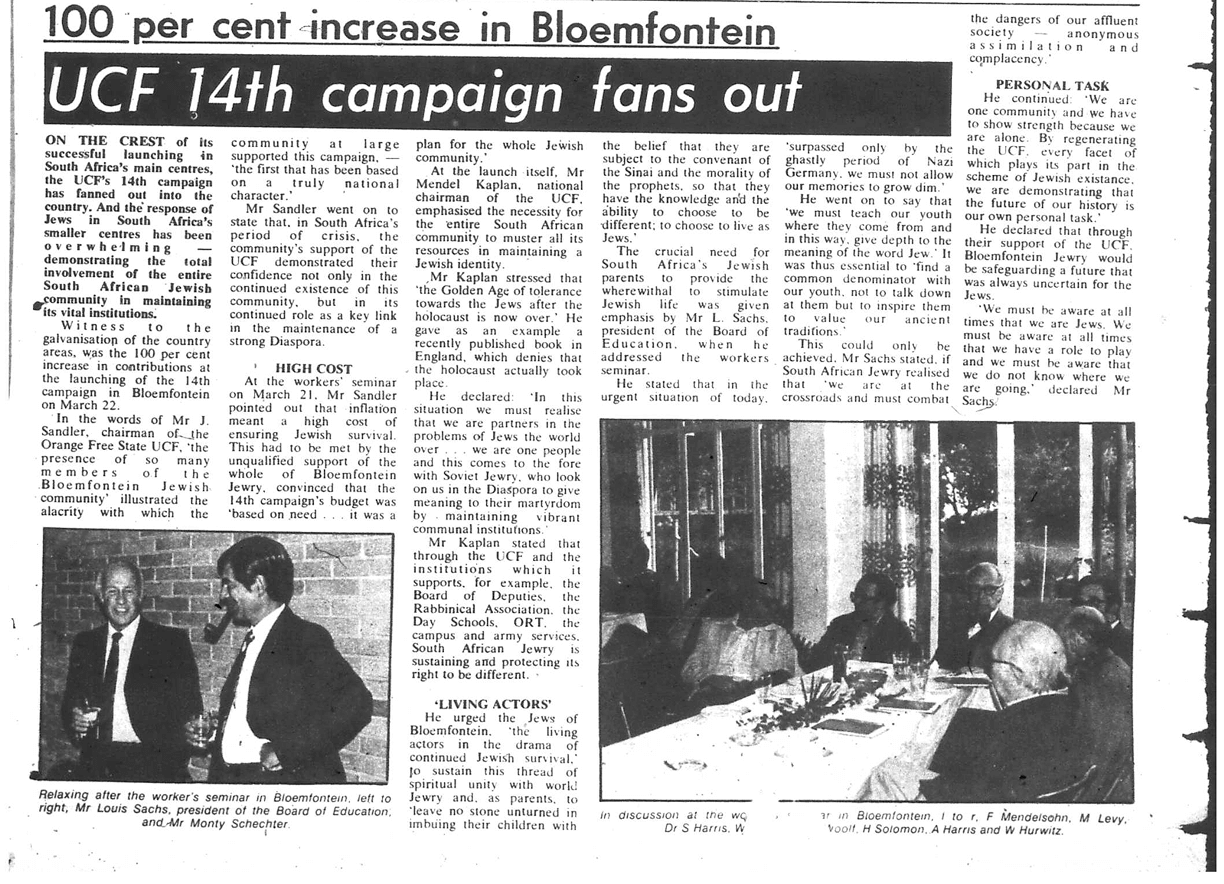
Long before leading the Jewish Agency, Mendel was sounding the alarm on Soviet Jewry. He was already writing about their plight in 1976.
Later, he fought tirelessly to restore JAFI’s original mission: bringing Jews home to Israel. He fiercely opposed U.S. visas for Soviet Jews in transit camps, insisting that Aliyah funds should serve those who chose Israel as their home.
Mendel’s commitment ran deep. He helped raise over $1 billion for Soviet and Ethiopian immigration and, with a businessman’s mindset, prioritised jobs over handouts.
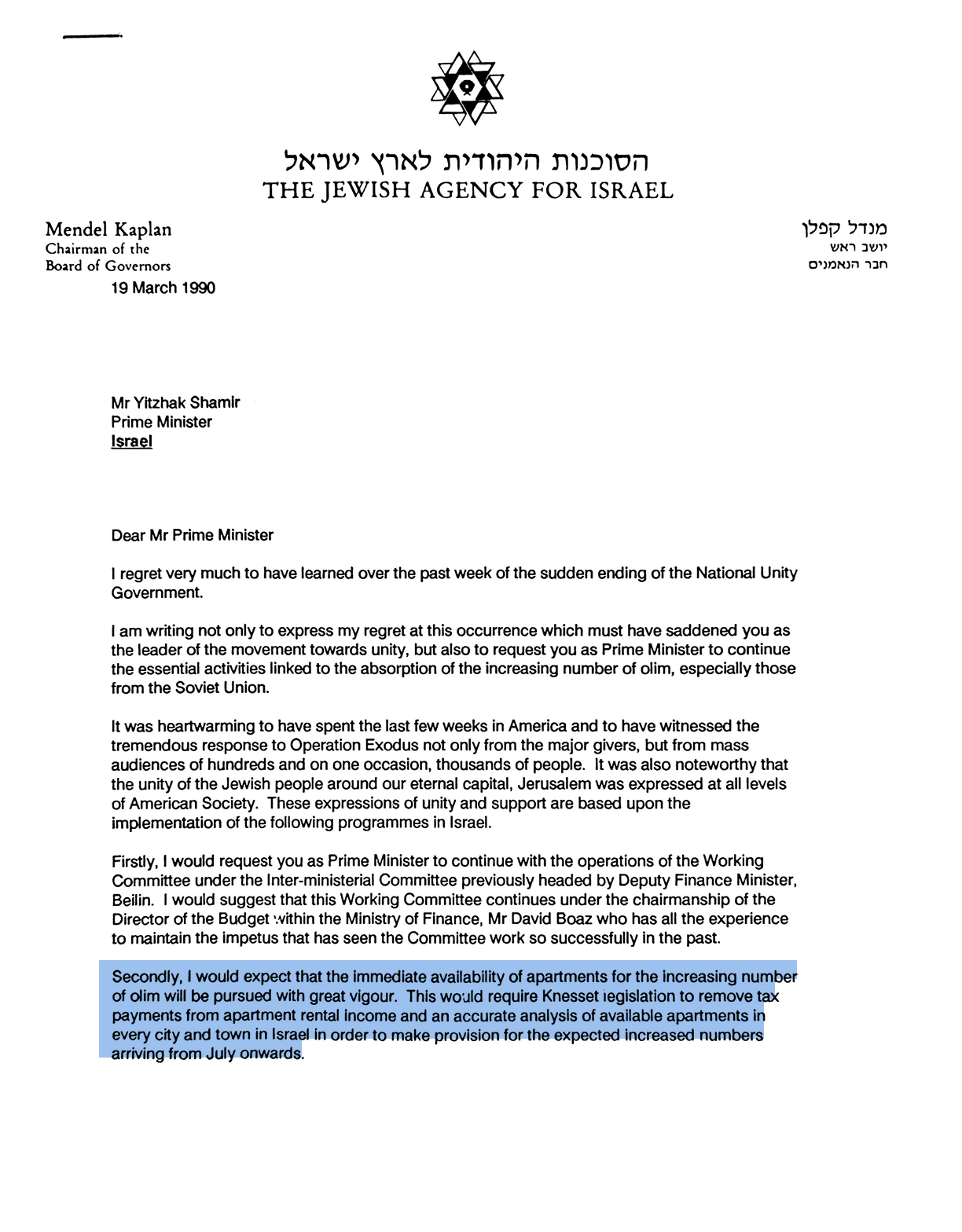
He lobbied manufacturers to retrain olim, promoted state privatisation to spark self-employment, and by 1993, immigrants were outpacing native Israelis in employment. He tackled housing too—cutting red tape, fast-tracking public housing projects, and partnering with Ariel Sharon to import prefab homes for rapid resettlement.
Beyond Soviet and Ethiopian Jews, Mendel reach extended to helping Jews flee troubled states—Argentina, Syria, Yemen, Tajikistan—and supported communities in Poland, Romania, and Yugoslavia.
On the surface, Mendel’s exchange with Sharansky was a debate about rent. But it revealed a fundamental clash over how absorption should work. For Mendel, the Jewish Agency—not NGOs—understood the challenges, and their actions should be trusted.
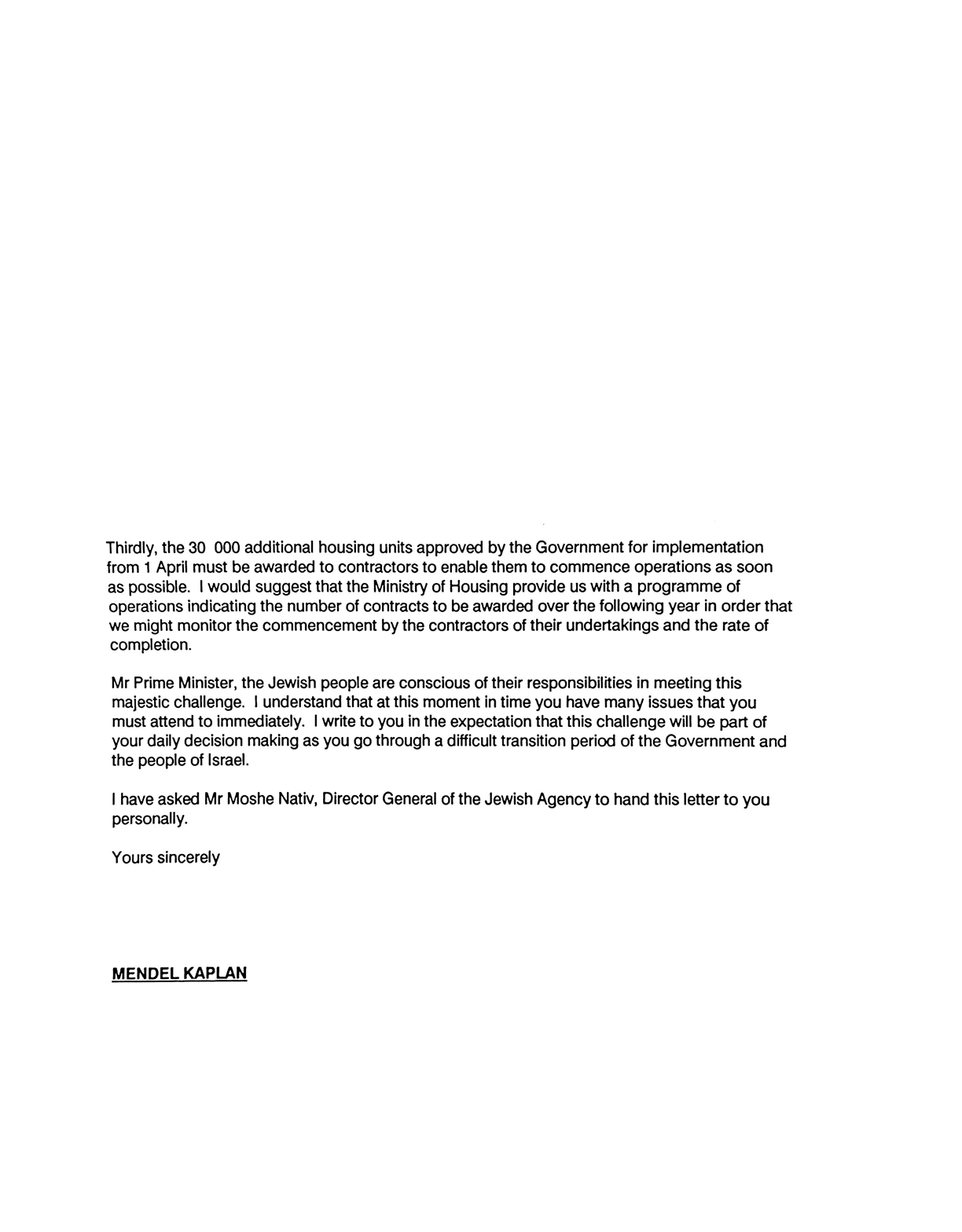
Cast of Characters
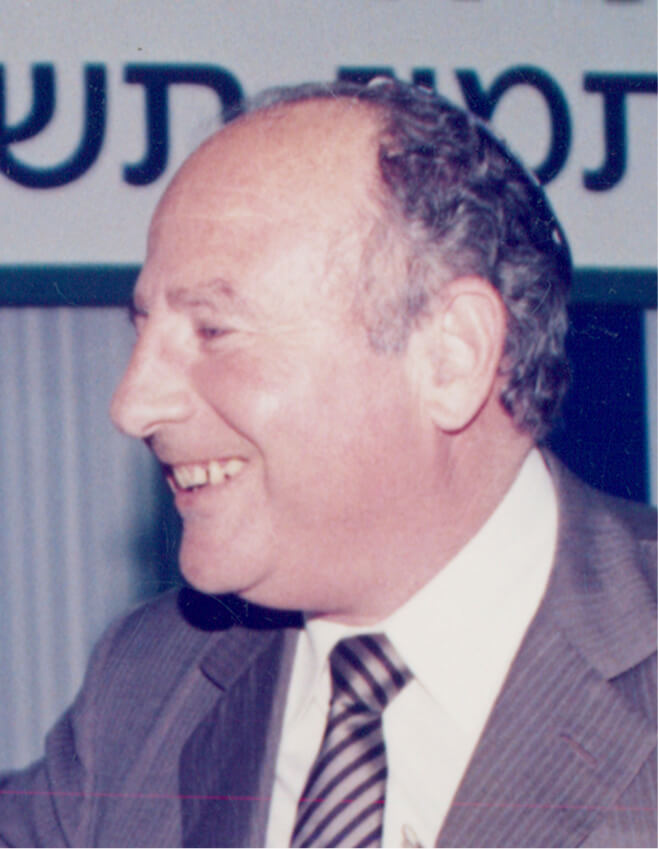
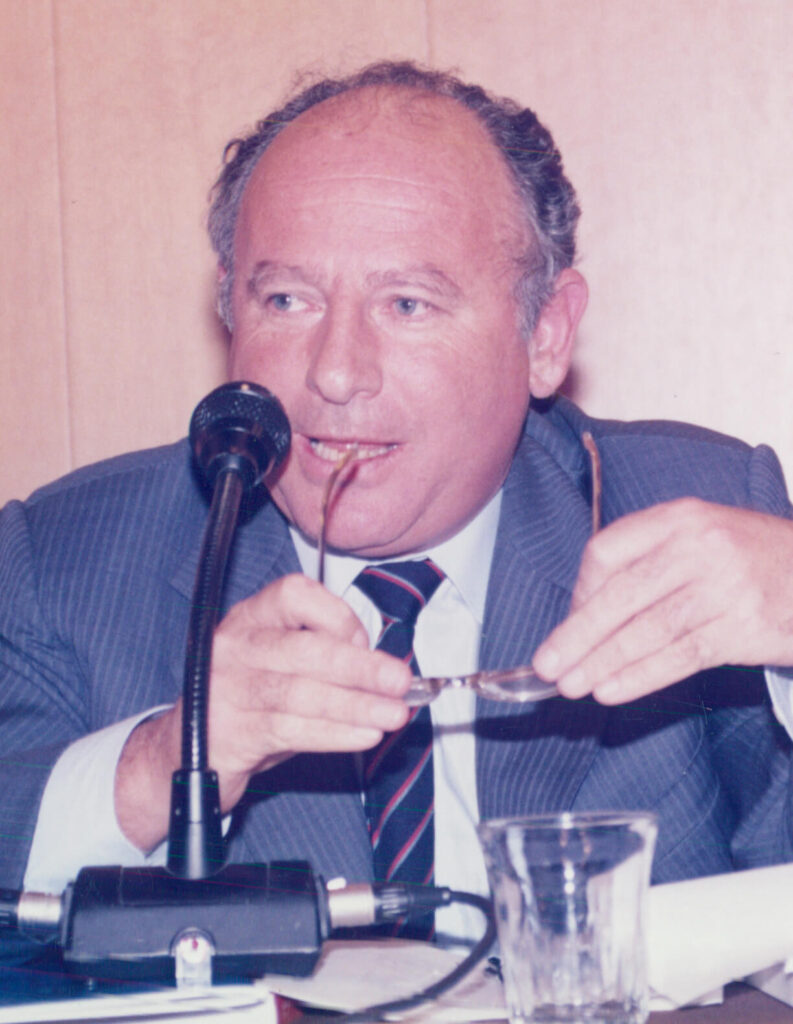
Mendel at 54
Chairman of the Board of Governors of JAFI, Chairman of the Executive of the WJC.
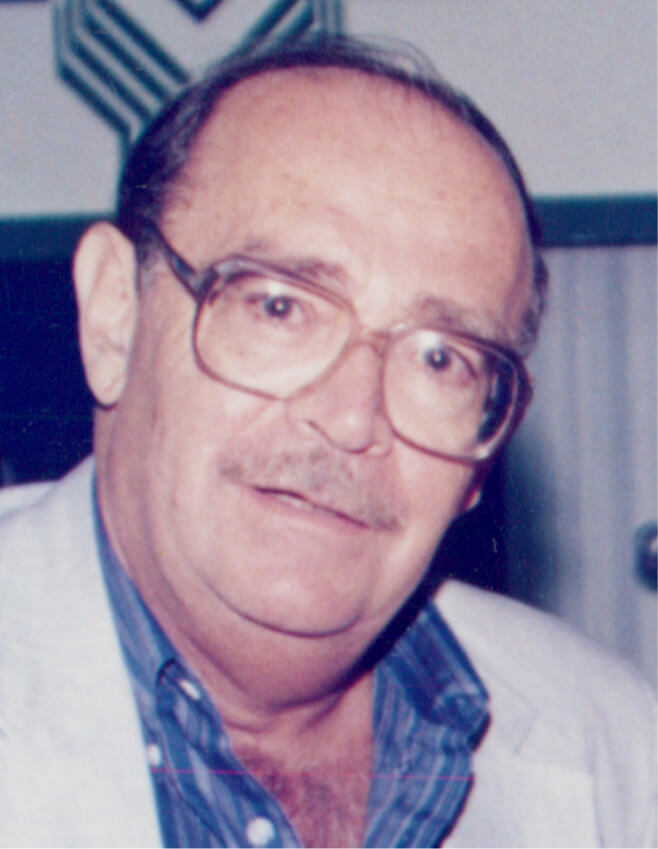
Simcha Dinitz (1929-2003)
Chairman of the Executive of JAFI/WZO, former Israeli Ambassador to the U.S.
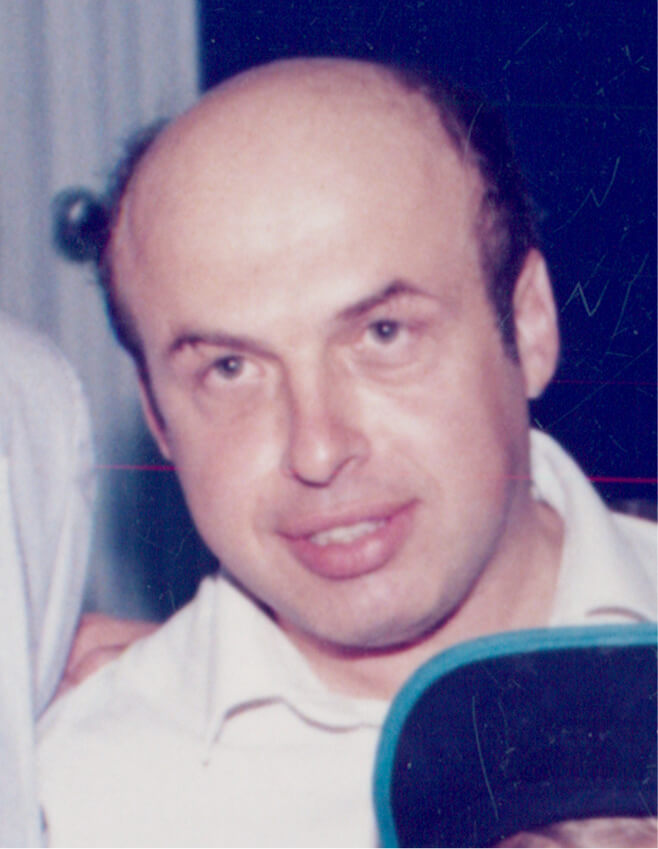
Natan Sharansky (b. 1948)
Head of the Council of Olim Organizations, former Prisoner of Zion, prominent activist for Soviet Jewry, and former spokesman for Andrei Sakharov.
Organisations
The Jewish Agency for Israel (JAFI)
Founded in 1929, by Chaim Weizmann, the agency focuses on Jewish immigration to Israel (Aliyah) and the integration of Jewish immigrants.
The Council of Olim Organisations
A coordinating body for groups supporting new immigrants (olim) to Israel. It advocates for their integration, provides guidance, and helps them navigate social, cultural, and economic challenges.